
BUSINESS
Healey Cuts Fashion Shop Rates and Leaves Growth Waiting
The 2026 Budget takes 70,000 high street firms out of business rates, while fashion still faces a 3.9% wage rise and no tax-free shopping.

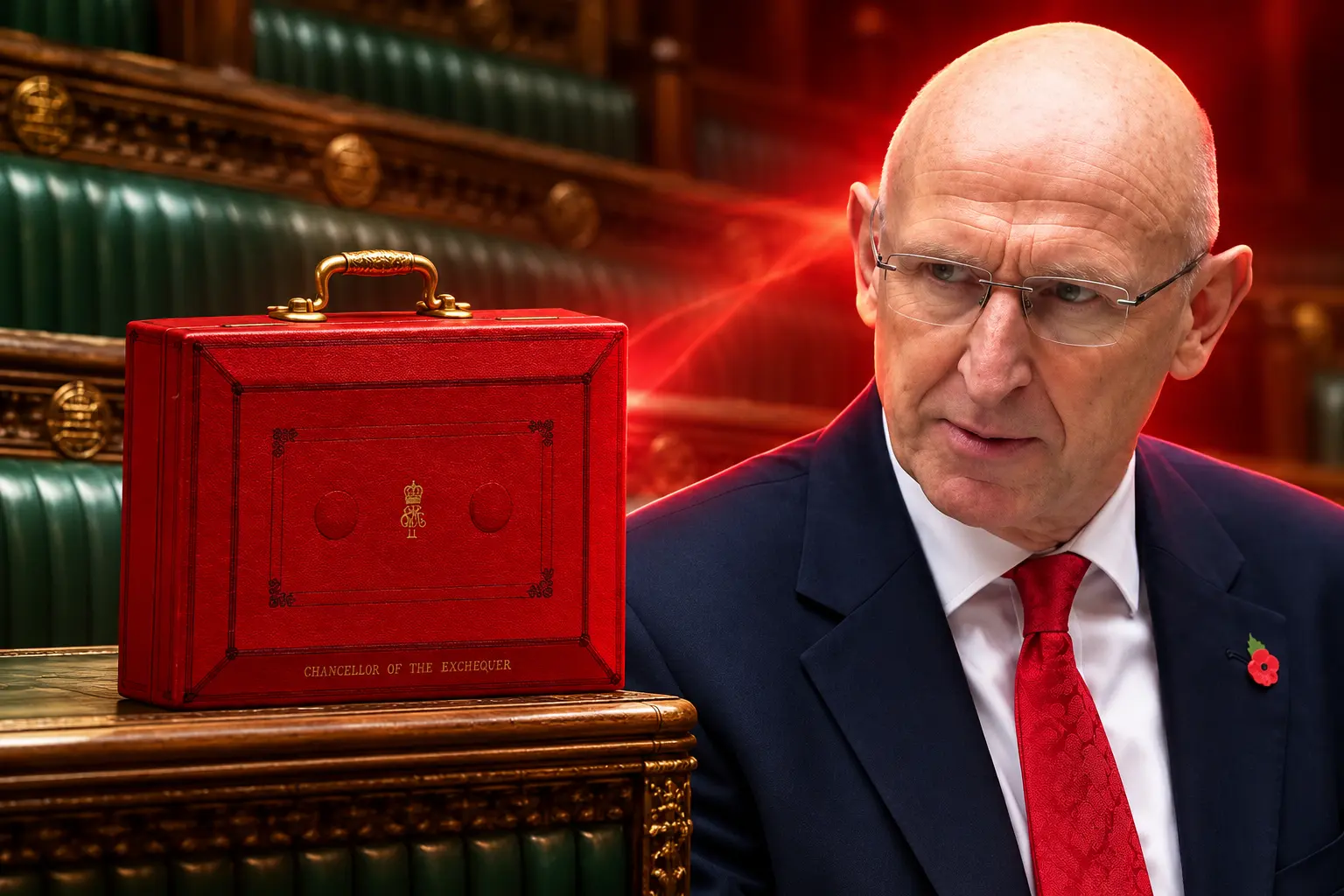
Chancellor John Healey raised the small business rates threshold to £18,000 on 28 October, taking about 70,000 high street firms out of the tax. British fashion has wanted a high street rescue for years, and the 2026 Budget finally writes one for the smallest shops. The growth tools the industry actually asked for, from tourist VAT to ordinary exit tax, were left off the page.
Andy Burnham’s first months in Downing Street already had a fashion plot: Frasers Group bought Harvey Nichols, Alexander McQueen and Mulberry returned to London Fashion Week, and Marks and Spencer marked a century in clothes. Healey’s first Budget is the fiscal test of that plot, and it is a split bill.
Healey Takes 70,000 High Street Firms Out of Rates
Healey told the Commons he was taking action to support high streets. The Ministry of Housing, Communities and Local Government will grant full relief up to £18,000 rateable value for qualifying retail, hospitality and leisure properties in England from 1 April 2027, with tapered relief up to £21,000, replacing the old £12,000 and £15,000 bands until 31 March 2029.
THE HIGH STREET RATES PACKAGE
- Zero bills: About 70,000 more retail, hospitality and leisure firms will pay no business rates, and the Treasury says half of those properties in England will pay nothing at all.
- Falling bills: Around 110,000 properties in the same group will see bills drop next year, including an extra 3,500 pubs, 3,900 restaurants, 2,200 cafes and 1,700 hair and beauty salons.
- Two-year freeze: Other qualifying shops, restaurants and gyms get a real-terms cap for 2027/28 and 2028/29, so 120,000 shops avoid an extra £3,250 over two years and 14,000 restaurants avoid an extra £7,500.
- Pubs and rooms: Pubs, social clubs and all but the largest live music venues get an extra 20% relief, taking the total to 35%, worth over £3,000 on average per pub next year.
Andrew Goodacre, chief executive of the British Independent Retailers Association, said the package is less damaging than the last two years because there was no major extra cost dumped on shops. He also said £18,000 is not a lot of money, and that it represents small boutiques, small shops and newsagents. Before the speech, Bira had warned that the average independent retailer faced a 25% rates rise if the threshold did not move. Medium-sized fashion shops sit in the freeze, not in the zero band, which is better than that warning and still a bill.
Vape shops lose small business rates relief, and adult gaming centres lose the retail multipliers, so the cut is aimed at shops that still look like a high street. The Supporting Small Business scheme is extended for a further year for about 37,000 small ratepayers, worth an average of £3,000. None of that lands until April. Empty units stay outside the freeze.
The Wage Rise That Outruns Shop-Floor Relief
The same Budget accepts the Low Pay Commission’s rates in full. From 1 April 2027 the National Living Wage for staff aged 21 and over rises 3.9%, from £12.71 to £13.21, a 50p lift for about 2.3 million of the lowest paid. Fashion shops hire on those rungs. The Office for National Statistics said CPI rose to 3.5% in September, up from 3.1% in August, so the pay floor moves 0.4 percentage points faster than that reading. The Office for Budget Responsibility expects inflation to peak at 3.8% in the first quarter of 2027.
MINIMUM PAY FROM 1 APRIL 2027
| Rate | Now | From April 2027 | Rise |
|---|---|---|---|
| National Living Wage, 21 and over | £12.71 | £13.21 | 50p (3.9%) |
| 18 to 20 | £10.85 | £11.27 | 42p (3.9%) |
| 16 to 17 | £8.00 | £8.31 | 31p (3.9%) |
| Apprentice | £8.00 | £8.31 | 31p (3.9%) |
Clothing and footwear prices rose 0.1% in the year to September, so the squeeze on a boutique is not a spike in ticket prices. It is payroll. Employer National Insurance stays at 15% on pay above £5,000 a year, and that threshold stays frozen until the 2030/31 tax year. The Employment Allowance stays at £10,500. Goodacre sits on the Low Pay Commission as well as running Bira, and he still wanted a higher allowance so shops could hire more part-time and younger staff. He called the freeze a missed opportunity.
Baroness Philippa Stroud chairs the commission. She said talks with workers and employers reflected tough economic headwinds, and that growth this year is not leading to hiring. A rates holiday on a small unit can be swallowed by one extra 50p on every hour of shop-floor time, plus National Insurance on the new slice of pay, with no new allowance to offset it.
Most Fashion Founders Will Miss the 10% Rate
The political headline for start-ups is Founders Relief, a reduced 10% capital gains tax for qualifying founders on up to £10 million of lifetime gains from 6 April 2027. Laura Weir, chief executive of the British Fashion Council, treated the Budget as a help for independent boutiques, studios and concept stores, and she welcomed a young entrepreneurs allowance that will cover living costs for successful applicants in the first year. Those lines will be read in studios as a win. The HMRC note is colder.
THE TESTS FOR THE 10% RATE
- The stake: The founder must have held 25% of ordinary share capital from the start of the trade, held the shares for at least five tax years, and been UK resident for five continuous tax years before sale.
- The scale: The company needs turnover of at least £10 million and at least 15 full-time staff in the year before disposal.
- The growth: It must pass at least two of three tests: 25% average yearly turnover growth over three years, the same pace of headcount growth, or at least £1.5 million of qualifying research and development.
- The crowd: HMRC expects about 600 people a year, across about 400 companies, to claim. Land dealers, financial firms and property developers are out, as under the Enterprise Investment Scheme.
A London Fashion Week label that still makes clothes in a studio, sells through a few doors and a site, and employs a handful of people will not clear those bars. The relief is written for a company that has already scaled. Ordinary Business Asset Disposal Relief, the tool most owners actually use on a sale, has its lifetime limit cut from £1 million to £500,000 from 6 April 2027, at an 18% rate, with gains above that still taxed at 24%. Plan a fashion exit on the relief you already have, not on a 10% rate that needs a £10 million sales line. A technical consultation on the design is open until 11:59pm on 30 November 2026.
We welcome the measures in today’s Budget that provide breathing space for the independent boutiques, studios, and concept stores that give our high streets character.
Laura Weir, chief executive, British Fashion Council
Rosie Wrighting is the Labour MP for Kettering and a former Asos fashion buyer. She called it a Budget where risk-taking, entrepreneurship and high streets are backed, and she still said fashion is working in a hard climate of disrupted supply chains. Both things can sit in the same week. Weir also flagged a Budget tease on women founders, noting that six in 10 London Fashion Week shows are led by women. A scale-up prize and a first-year living-cost pilot are not the same as cheaper hiring for a shop that already exists.
Why Tax-Free Shopping Stayed Out of the Budget
The file fashion wanted most was a return of tax-free shopping for overseas visitors, abolished when the VAT Retail Export Scheme ended on 1 January 2021. It is not in the Budget. Weir said the UK remains the only major European market without the policy. Sadiq Khan, speaking at the British Fashion Council’s London Fashion Week breakfast, called the week a showcase of the city’s culture and thanked the industry for persevering through tough years. Cheers at that breakfast for a tourist refund did not survive the walk to the Commons.
The Centre for Economics and Business Research, in a report for Heart of London Business Alliance, modelled a 2025 reintroduction and put the upper bound at up to £11.5 billion of extra output, with 152,900 jobs supported, 2.35 million extra visits and £4.1 billion of extra visitor spending. Those figures are a lobby model, not an Office for Budget Responsibility forecast, and they use a 2025 scenario. They still describe the gap the Budget left shut.
CEBR UPPER-BOUND TAX-FREE SHOPPING MODEL
| Place | Extra visitors | Extra spending | GVA | Jobs |
|---|---|---|---|---|
| United Kingdom | 2.35 million | £4.1 billion | £11.5 billion | 152,900 |
| London | 1.13 million | £2.26 billion | £6.26 billion | 65,500 |
| Scotland | 220,000 | £485 million | £1.3 billion | 21,900 |
VisitBritain figures cited in the same report show overseas visits in 2024 were 1.3% short of 2019, while real spending was still 8.7% lower and average spend per visit fell from £848 to £786. The tourists came back. The baskets did not. Luxury floors at Harvey Nichols, Selfridges and Harrods live on those baskets. Harvey Nichols declined to comment on the Budget, and Selfridges and Harrods did not respond to requests.
The British Fashion Council puts the industry at £67.5 billion and 1.4 million jobs. A rates cut on a small unit does not replace a VAT refund that moves a visitor from a look to a sale, then into a hotel and a restaurant on the same trip.
Who Pays, and Who Gets a Pass, After April
A boutique whose premises sit under the new £18,000 band will, from 1 April 2027, pay no business rates. A designer with a larger store, a flagship, or a unit whose rateable value sits above £21,000 keeps paying, with a two-year real-terms freeze instead of a holiday. Jacqueline Windsor runs the retail practice at PwC UK. She said some consumers will have more money for discretionary buys, while others will pay more tax on property and savings, and she argued that living costs and the cost of doing business will keep dragging on fashion growth.
Luxury names that court high-net-worth shoppers get the freeze if the property qualifies, and they get none of the tourist refund. Independent founders get a first-year living-cost pilot if they pass the new allowance, and they get the 10% CGT rate only if the company later looks like a scale-up. Everyone who employs staff on the legal floor pays 3.9% more from April, with National Insurance still biting from £5,000 of pay.
Goodacre’s point about £18,000 is the practical map. A newsagent, a small womenswear door, a studio with a street window: those names leave the rates roll. A mid-market chain, a department-store concession plan, a destination flagship: they do not. Burnham has sold himself as pro-business and has talked about a high street renaissance. The Budget is pro a slice of that street.
Mayors Get the Rates, Fashion Still Waits on London
Burnham put a Cabinet and Prime Minister office in Manchester, Number 10 North, as an early act, and the Budget pushes more of the rates take out of Whitehall. Mayoral strategic authorities receive 20% of business rates revenue from April 2027, with 100% due to be devolved by the end of the Parliament. Weir said the council wants that local growth money to reach designers, makers and businesses that sustain fashion beyond London, and the BFC’s 2030 plan already set out to revive the British high street through policy reform.
THE DATES THAT MOVE THE BILL
- 1 January 2021: The VAT Retail Export Scheme ends in Great Britain, ending tax-free shopping for visitors.
- 28 October 2026: Healey delivers the Budget, lifts the small business rates bands and confirms the 3.9% wage rise.
- 30 November 2026: The Founders Relief consultation closes at 11:59pm.
- 1 April 2027: New rates thresholds, the real-terms freeze and the new living wage all start.
- 6 April 2027: Founders Relief, if the tests are met, applies to qualifying sales, and the BADR lifetime limit falls to £500,000.
- October 2027: Online marketplaces start collecting VAT on qualifying UK sales through their platforms.
Wrighting backs that shift in geography. She wants the next Lee McQueen or Paul Smith to come from anywhere in the four nations and still see a career in fashion. Devolution can move a grant. It cannot, on this Budget, put a VAT refund back on a tourist till in Edinburgh, Manchester or Knightsbridge. The direct retail effect of local control is still a blank line.
The Rates Cut Is Paid For at the Checkout Online
Healey is not funding the high street holiday from a broad tax rise. Headline rates of income tax, National Insurance and VAT stay put. Part of the high street package is paid for by making online marketplaces collect VAT on sales by UK businesses that take more than £90,000 through the platform, from October 2027, with the cash recycled into rates support. Personal sales are out of scope. Machine Games Duty on higher-stakes machines rises from 20% to 25%, which the Treasury says protects pubs and seaside arcades while paying toward the freeze.
Fashion already lives on those platforms as well as on the street. A small label selling through a marketplace will meet a new collection duty on the digital side in the same year its landlord’s rates bill, if the unit is small enough, falls to zero. The Budget also says it will keep looking at how business rates could better target large online retailers, which is a sentence without a number. For a shop that only exists as a door, the trade is simple: less property tax, more pay, no tourist refund.
From 1 April 2027 a boutique under the £18,000 band will pay no business rates, and a shop assistant aged 21 will cost £13.21 an hour. Founders Relief opens five days later for companies that already clear £10 million in sales and 15 staff. Tax-free shopping for visitors is not in the Finance Bill.

Josh Sinn Draws the Heaviest AFL Betting Ban Since 2019

Rolapp Shuts the PGA Door as DeChambeau Heads to Europe

Apple TV Renews Slow Horses Past the Last Novel

Oasis Lifts UK Music to £8.4 Billion as Venues Shrink

Beyoncé Hits 100 Grammy Nominations on a Vault Track

Thameslink Will Pad 60,000 Ironing-Board Seats From 2027

How Tall Was Adolf Hitler?

U.S. Forces Clear Hormuz Mines, Then Hit Minelayers Again

Micron Sells the Memory Shortage as Five-Year Contracts

Royal Caribbean Sends Los Angeles Ships to Singapore and Brisbane
-
 NEWS3 months ago
Thameslink Will Pad 60,000 Ironing-Board Seats From 2027
-
 HISTORY3 years ago
How Tall Was Adolf Hitler?
-
 BUSINESS3 months ago
U.S. Forces Clear Hormuz Mines, Then Hit Minelayers Again
-
 NEWS3 months ago
Micron Sells the Memory Shortage as Five-Year Contracts
-
 NEWS3 months ago
Royal Caribbean Sends Los Angeles Ships to Singapore and Brisbane
-

 BUSINESS3 months ago
Sweetmore Bakeries Buys Fantasy Baking for Bar Work
-
 NEWS3 months ago
Twenty Controllers Closed Norwich Airport for a Bank Holiday
-

 BUSINESS3 months ago
L Catterton Installs a Kraft Heinz Operator at Kettle Cuisine