
BUSINESS
Compaxo Bets on Gepo and Kroon as the Herd Shrinks
Compaxo agreed on 16 September 2026 to buy Gepo and Kroon, adding liver sausage and a royal-warrant brand while Dutch pig numbers sit at 9.96 million.

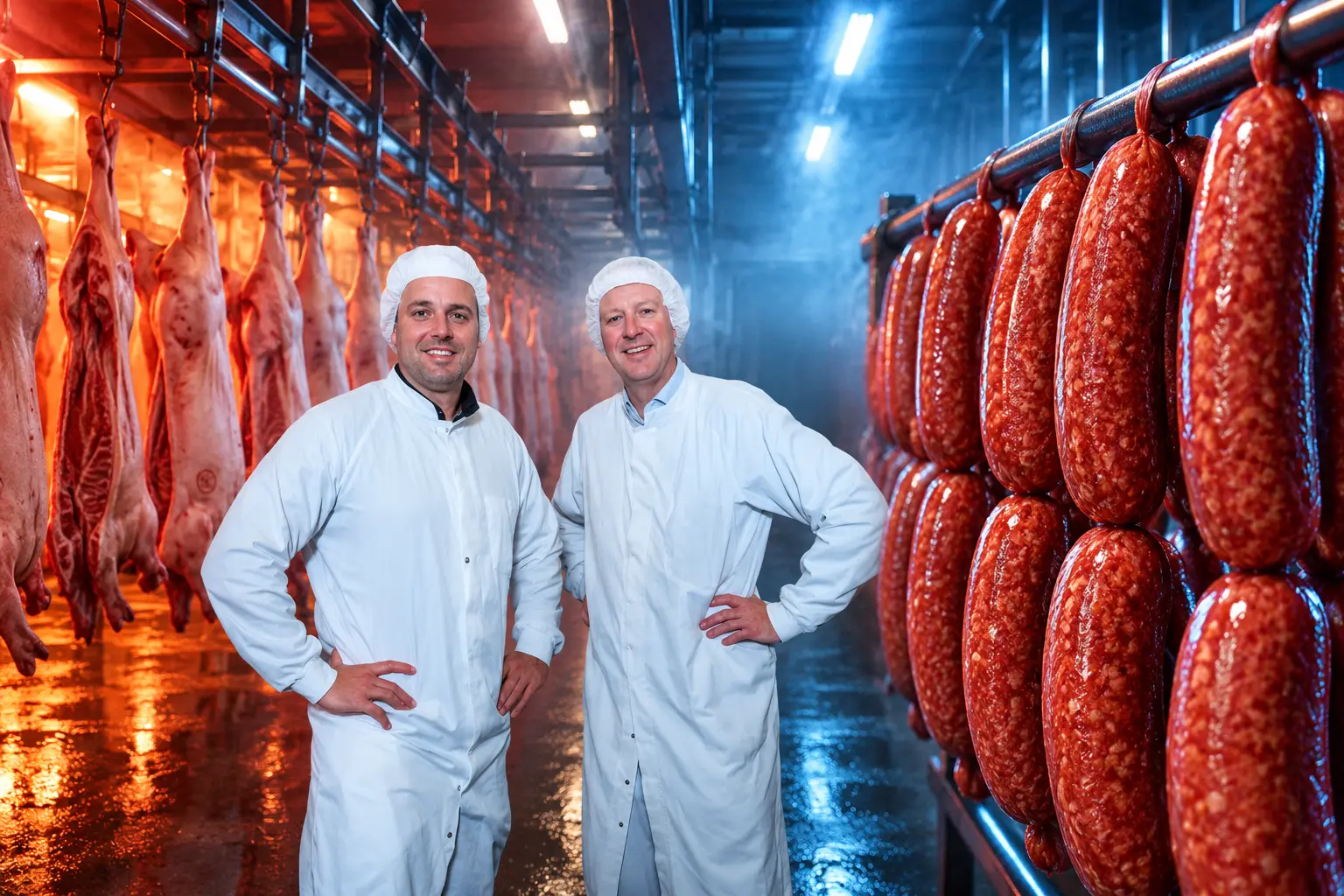
Compaxo Groep B.V. agreed on 16 September 2026 to buy Gepo Vleeswaren and Kroon Vleeswarenfabriek, two Dutch processed-meat firms, with terms undisclosed. The seller is the shareholders of Gepo Vastgoed B.V. Staff talks, remaining contracts and other approvals still have to close.
The Gouda family firm is adding liver sausage, a national Kroon brand and packing scale after a string of buys since 2022, while Dutch pig numbers sit under 10 million.
Compaxo Moves for Two Family Sausage Makers
Compaxo said the planned buy would strengthen its core work in processed meats, liver sausage and other specialties, and that larger runs would help logistics, product development, the range and packaging. Gepo Vleeswaren B.V. sits in Nieuw-Vennep. Kroon Vleeswarenfabriek Zwaagwesteinde B.V. sits in Zwaagwesteinde and has belonged to Gepo since 2006.
Both targets are family firms, as Compaxo is. Gepo started in 1958 as a sausage kitchen in Hoofddorp and later moved through Zwanenburg and Uithoorn before the Nieuw-Vennep plant. Kroon traces to an 1870 butcher’s shop in Groningen and grew into a national processed-meat brand. In 2021 it received a Royal Warrant, the Dutch Hofleverancier mark.
WHAT WE KNOW
- The buyer: Compaxo Groep B.V., the van der Post family’s meat group based in Gouda, with slaughter in Zevenaar.
- The targets: Gepo Vleeswaren in Nieuw-Vennep and Kroon Vleeswarenfabriek in Zwaagwesteinde, sold by Gepo Vastgoed shareholders.
- The aim: more processed meats, liver sausage and specialties, plus shared logistics, recipes, range and packs.
- The date: Compaxo announced the planned deal on 16 September 2026 and did not give a price.
WHAT IS UNCONFIRMED
- Closing: Compaxo still needs consultation, approvals and leftover contracts before the shares change hands.
- The brands: the group has not said whether the Gepo and Kroon names stay on packs after closing.
- Jobs and lines: no public plan has set out plant cuts, moves or a combined headcount.
Until those steps finish, the two sausage plants keep working as they do now. Compaxo already sells fresh pork, cured meats and plant-based lines to retail, wholesale, foodservice, factories and export customers, and it packs both its own name and private label.
Four Years of Bolt-On Buys
This is not a one-off sausage purchase. Since 2022 the same family group has been picking up Dutch specialists, first in cooked meats and then in slaughter, so Gouda owns more of the chain from live pigs to sliced packs.
COMPAXO’S DUTCH MEAT BUYS
| When | What Compaxo added | Where it sits |
|---|---|---|
| 2022 | Maasland Vleeswaren, with liver sausage, cooked sausage, hams and local specialties | Almere and Belfeld plants now inside the group |
| 2024 | Pali Group pig slaughter work, cleared by the Authority for Consumers and Markets | Capacity folded toward Zevenaar after Geldrop could not grow |
| 2 February 2026 | Van Iersel production of Brabantse zult, blood sausage and balkenbrij, bought from Cooymans Vlees | Recipes moved into Maasland in Belfeld |
| 1 April 2026 | Planned buy of Pigarné, a piglet slaughter and processing plant owned by VAEX The Livestock Traders | Lichtenvoorde, with meat sold mainly into southern and eastern Europe and Asia |
| 16 September 2026 | Planned buy of Gepo Vleeswaren and Kroon Vleeswarenfabriek | Nieuw-Vennep and Zwaagwesteinde |
Maasland widened Compaxo’s private-label and own-brand sausage work. Van Iersel added regional plates that Dutch shoppers still know by town, not by a supermarket generic. Pigarné, if it closes, puts piglet meat next to the adult-pig line in Zevenaar. Gepo and Kroon extend that same pattern into liver sausage and a court-marked brand.
Dutch competition officials already let Compaxo take Pali’s slaughter work in March 2024, saying enough rivals would remain. The Gepo and Kroon file is still in the approval phase, and the group has not posted a value for any of these deals.
The Herd Has Fallen Below 10 Million
The timing sits against a smaller live-pig supply. Statistics Netherlands counted 9.96 million pigs on Dutch farms in 2025, down 5.1 percent from 10.49 million in 2024, and the first reading under 10 million since 1979.
DUTCH PIG HERD SNAPSHOT
- Headcount: 9.96 million pigs on 1 April 2025, a 5.1 percent drop year on year.
- Farms: 1.9 thousand holdings still keep pigs, 7.1 percent fewer than a year earlier.
- Scale: pig farms have fallen 45.9 percent since 2015, while the average herd has risen to 5,000 animals, up nearly 50 percent in ten years.
- Kill: DCA Market Intelligence, using Netherlands Enterprise Agency RVO figures, counted 3,733,125 pigs slaughtered through week 14 of 2026, about 300,000 fewer than a year earlier, down 7.4 percent and the lowest first-quarter tally since 2009.
CBS ties the smaller herd to exit schemes, including the Subsidy scheme for the Remediation of Pig farms and later livestock buy-outs. Small farms with fewer than 500 pigs and medium farms with 2,000 to 5,000 pigs have closed fastest. Large sites with more than 5,000 pigs have held up better, so the remaining barns are bigger.
DCA also notes Dutch plants can handle more than 300,000 pigs a week, while supply in the tightest weeks of early 2026, even with some extra animals pulled back from export, ran around 270,000. Spare steel on the slaughter floor is a poor match for a family firm that still wants throughput. Buying brands that turn pork into liver sausage, ham and sliced packs is one way to earn more from each carcass that does arrive.
Cattle numbers fell too, by 3.3 percent to 3.65 million, so the pressure is not only in pigs. For Compaxo the live-animal squeeze is still the daily constraint, because Zevenaar is a pig plant and Gouda’s cured-meat lines still run in large part on pork.
Why Liver Sausage Is the Prize
Gepo does not sell itself as a broad butcher. On its own site it calls itself the undisputed liver sausage specialist, set up in 1958 in Hoofddorp under the founder the family still calls “our father.” The Nieuw-Vennep plant packs from 25 grams to 7 kilograms, a span that covers snack cups, sandwich slices and foodservice tubs.
Job notices at the plant have described Gepo as a private-label leader in liver sausage, which is the unglamorous end of the Dutch meat case and also the sticky one. Retailers want a stable recipe, a long list of pack sizes and a factory that can turn fresh meat fast. Compaxo already talks about being a one-stop shop. Gepo’s range plugs a hole that Maasland only partly filled in 2022.
WHAT GEPO AND KROON ADD
- Liver sausage depth: Gepo’s whole plant is built around leverworst and related cooked meats, not a sideline in a mixed factory.
- Pack span: cups and chubs from 25 grams to 7 kilograms, aimed at both retail and bulk kitchens.
- A named brand: Kroon, a national processed-meat label with an 1870 Groningen start and a 2021 Royal Warrant.
- Two plants: Nieuw-Vennep in the west and Zwaagwesteinde in the north, on top of Compaxo’s Gouda, Zevenaar, Belfeld and Almere sites.
Compaxo’s public note on the deal stressed scale in logistics, development, portfolio and packaging. That is factory language for fewer overlapping truck routes, shared spice blends and a wider private-label book for the same supermarket buyer. Liver sausage also uses trimmings and organs that fetch less as fresh cuts, which matters when each pig has to work harder.
A Royal Warrant From a Groningen Shop
Kroon is the consumer face of the deal. A butcher’s shop that opened in Groningen in 1870 became a factory brand, then joined Gepo in 2006, and in 2021 the court allowed it to use the Hofleverancier title. Compaxo put that warrant in the first lines of its own announcement, next to the founding dates, and treated the family histories as part of the commercial fit.
As Family Food Company, we believe in the power of tradition. And in the responsibility to pass that tradition on to future generations.
Compaxo Groep B.V., deal statement, 16 September 2026
The group is now in its fifth generation. Johannes van der Post opened a bacon shop and smokehouse in Gouda in 1896. In 1948 the firm took the name Compaxo from compact, dried meats meant for export. Seniors handed the shares in 2019 to juniors who speak for 13 family shareholders, a line the company sets out across five generations of van der Post owners.
Jeroen van der Post runs the Gouda cured-meat side. Michael van der Post is commercial director there. Menno van der Post runs Zevenaar. Gepo’s owners, selling through Gepo Vastgoed, are handing another family sausage name to that same cousin group rather than to a listed meat giant or a foreign fund.
Independent Dutch sausage makers now face a buyer that already absorbed Maasland, Pali’s slaughter, Van Iersel’s regional recipes and a piglet plant. The Gepo file barely moved outside farm-trade desks, which is how these sales usually travel: a works-council letter, a short company note, then silence until the next specialist comes up for sale.
Gouda Still Mixes Meat With Plant Protein
Compaxo is not only doubling down on pork. Its Gouda factory already makes vegetarian and vegan lines from plant ingredients, a push the family dates to 2017, and it still runs a spice house so each customer can have a private taste. Fresh pork comes from the pig slaughterhouse in Zevenaar, then moves into Gouda for cooking, drying, slicing and packing, with Compaxo running its own trucks at the temperatures buyers demand.
Jeroen van der Post has been blunt about why that mix exists. The meat trade, he said after the 2019 handover, is under pressure from rules and from shoppers who eat less meat, even though demand for meat has not vanished. The firm’s answer has been to keep the old products and to cut the meat inside some of them.
When the market asks for meat with less meat, we play along. By replacing 10% of the meat in our sausages with plant proteins and other ingredients, we lower meat use without giving up on taste.
Jeroen van der Post, director, Compaxo Gouda
He put Compaxo at 1,600 people, including about 500 in and around Gouda at the Schielands Hoge Zeedijk plant. Those figures already sit above the two small sausage sites now coming in, and they show why a family group this size can fund a roll-up that a 50-person liver-sausage plant cannot answer with its own bid.
The wager is therefore split. Gouda wants Kroon’s warrant and Gepo’s liver-sausage line because those products still sell in Dutch shops. It also wants enough volume, and enough plant blend, to keep the Zevenaar chain busy if the live herd keeps falling. Spare slaughter capacity in a country that has been paying farmers to quit is the cost of standing still.
The Gepo and Kroon shares do not move until consultation, approvals and the leftover contracts are done. Until then Compaxo’s newest brands remain a plan on paper, and the pigs counted on 1 April 2025 remain the tighter fact in the same chain.

Kering’s Growing Houses Cannot Outrun a Shrinking Gucci

Studio Staff and Bitcoin Buyers Built the Eminem Leak Case

A Mutated H1N1 Strain Is Hitting Younger Immunity First

Albert Heijn Returns at One-Third as Rivals Take Share

Art Basel Paris Ends After One Public Day

Thameslink Will Pad 60,000 Ironing-Board Seats From 2027

How Tall Was Adolf Hitler Really? Debunking the Myth of his Height

Micron Sells the Memory Shortage as Five-Year Contracts

Royal Caribbean Sends Los Angeles Ships to Singapore and Brisbane

U.S. Forces Clear Hormuz Mines, Then Hit Minelayers Again
-
 NEWS2 months ago
Thameslink Will Pad 60,000 Ironing-Board Seats From 2027
-
 SCIENCE3 years ago
How Tall Was Adolf Hitler Really? Debunking the Myth of his Height
-
 NEWS2 months ago
Micron Sells the Memory Shortage as Five-Year Contracts
-
 NEWS2 months ago
Royal Caribbean Sends Los Angeles Ships to Singapore and Brisbane
-
 BUSINESS2 months ago
U.S. Forces Clear Hormuz Mines, Then Hit Minelayers Again
-

 BUSINESS2 months ago
Sweetmore Bakeries Buys Fantasy Baking for Bar Work
-

 BUSINESS2 months ago
L Catterton Installs a Kraft Heinz Operator at Kettle Cuisine
-

 NEWS2 months ago
CISA’s 100 Water System Hacks Hit One-Operator Plants